
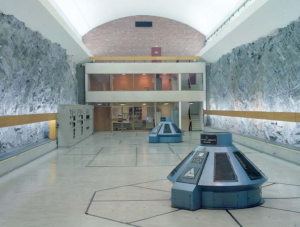
Tafjord 4
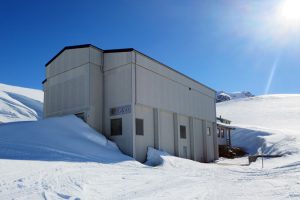
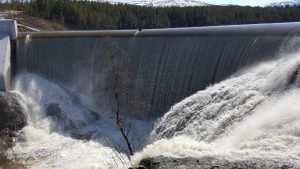
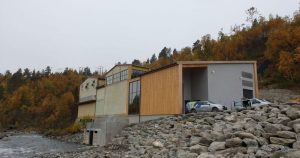
Tafjord 4 takes advantage of the fall from Zakariasvatn to the fjord, and the catchment area from Muldal. The station is located in the mountains in Tafjordbygda and
is the largest of the stations in operation by Tafjord.
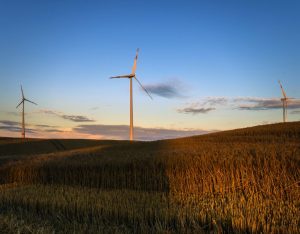
Search and browse through our portfolio of renewable energy power plants across the globe based on location, technology or specific attributes

Tafjord 4 takes advantage of the fall from Zakariasvatn to the fjord, and the catchment area from Muldal. The station is located in the mountains in Tafjordbygda and
is the largest of the stations in operation by Tafjord.

With a wind power generating capacity of 52.5 MW, Wielkopolska wind park is one of the country’s largest and technically most advanced wind farms. The farm consists of 21 wind turbines in seven sites around Poznan that delivers clean wind energy to 45,000 households. E.ON, Wielkopolska wind park’s owner, ranks among the top five companies generating wind power in Poland, making it one of the most important investors in the development of green power in the country.

Lemvig Biogas has been the largest biogas plant in Denmark since 1992. It utilises waste and residual products (fish, organic household, pharmaceutical wastes, etc.) to generate heat and power. The biogas plant generates more than 33 million kWh electricity per year – covering the annual electricity consumption for 22,000 people.

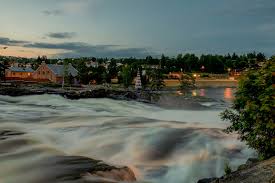
Nybrufoss is located in the middle of Kongsberg, a small town in Eastern Norway.
The dam and the canal is from 1891, while the powerplant was built in 1911. In 2013 the plant was rebuilt and today it has an installed capacity of 3 MW and an annual production of 25 GWh.

Trælandsfos is a hydro plant on the river Kvina in Kvinesdal, Vest-Agder County. A wood pulp factory was established here in 1910. Back then, the hydro power was used to run the machines directly by belt drive. In 1917 the first power plant was built, the wood pulp factory was later moved to another location after more than 50 years of operation.

The waterfall Mossefossen was the foundation for the industry in the city Moss and it has given life to saw mills, ironworks, a brewery, paper industry and several other ventures. The first power plant was built back in 1883 while the current station is from 1985.

The El Atajo plant, which started generating electricity in 2020, makes use of water runoff from local irrigation channels to produce renewable electricity. It generates 9.5 GWh per year, thanks to its total capacity of 2 MW.

Målset is a hydro plant in Vik, Sogn og Fjordane County. The plant is located in beautiful surroundings in the mountains and is only accessible by car during the summer.
Installed effect is 22 MW, pelton turbine. Normal annual production is 73 GWh.
Målset is owned by Statkraft (88%) and Sognekraft (12%).

Sølna has been producing electricity since 1916. In 2016 it was replaced by a new and more effective plant, aimed at securing renewable power production for another century. While the old plant had an annual output of only 1,8 GWh, the new plant has a yearly production of 15,7 GWh.
Sølna is located in Alvdal, in the county of Hedmark.

Einunna power plant is located in Folldal, Hedmark County. The power plant was built in 1955 and was refurbished in 2019. Einunna is located in the river with the same name and is part of the river system Glommavassdraget, Norway’s largest drainage system. Installed capacity is 9,6 MW, annual output 61 GWh.