Environmental Impacts
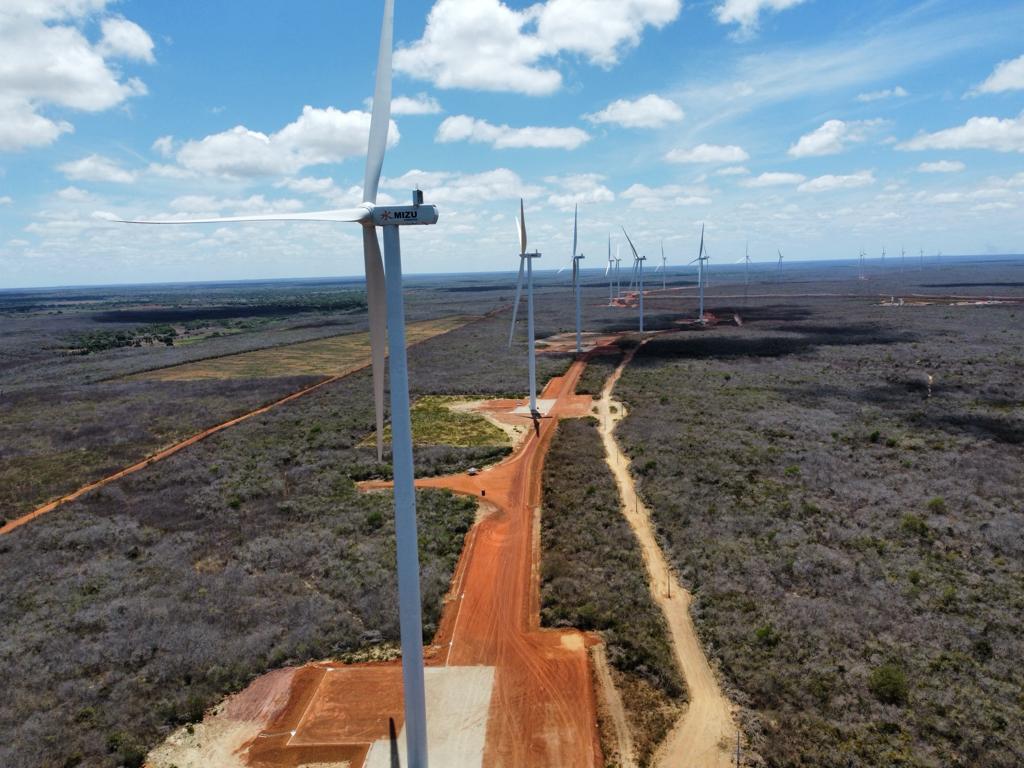
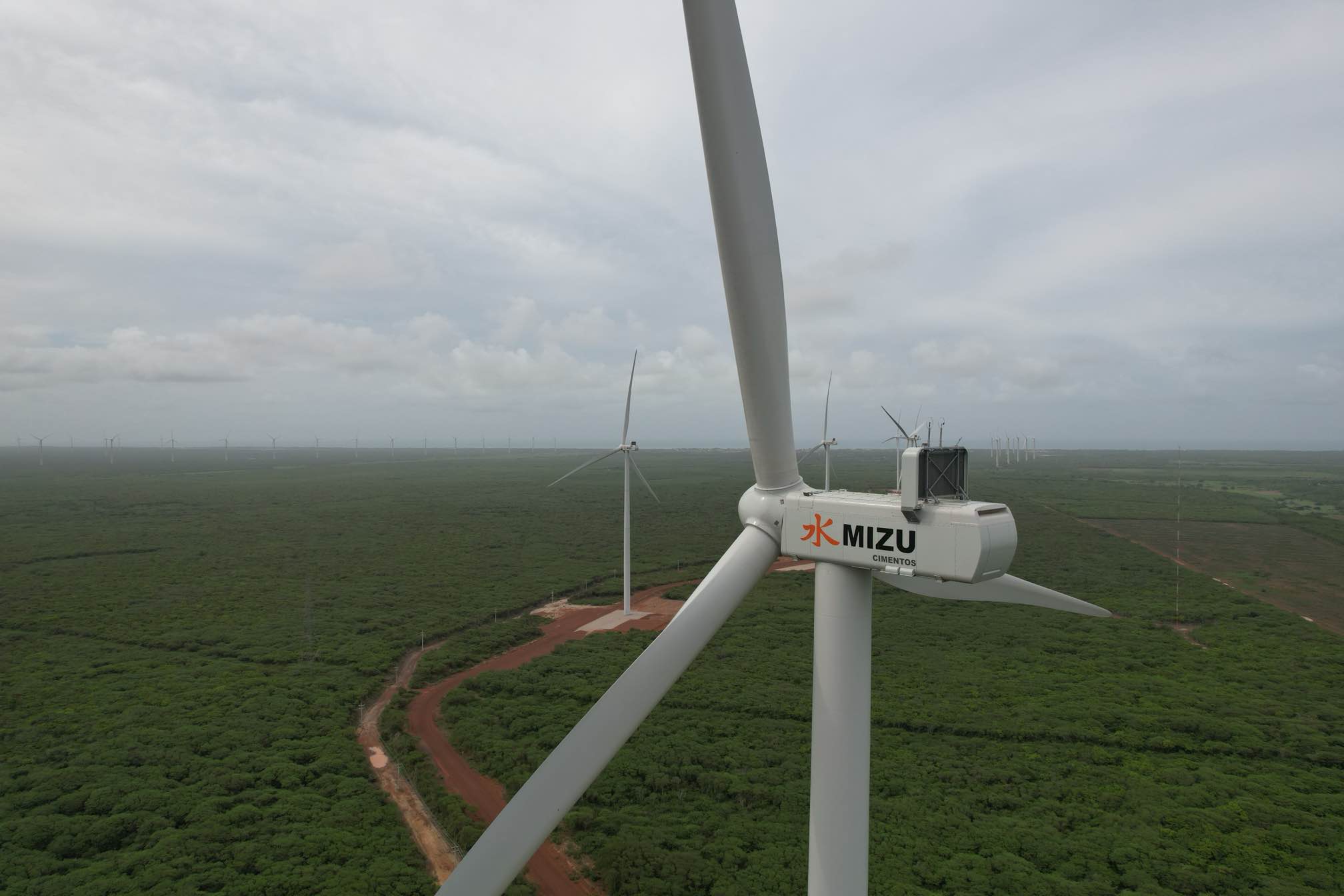
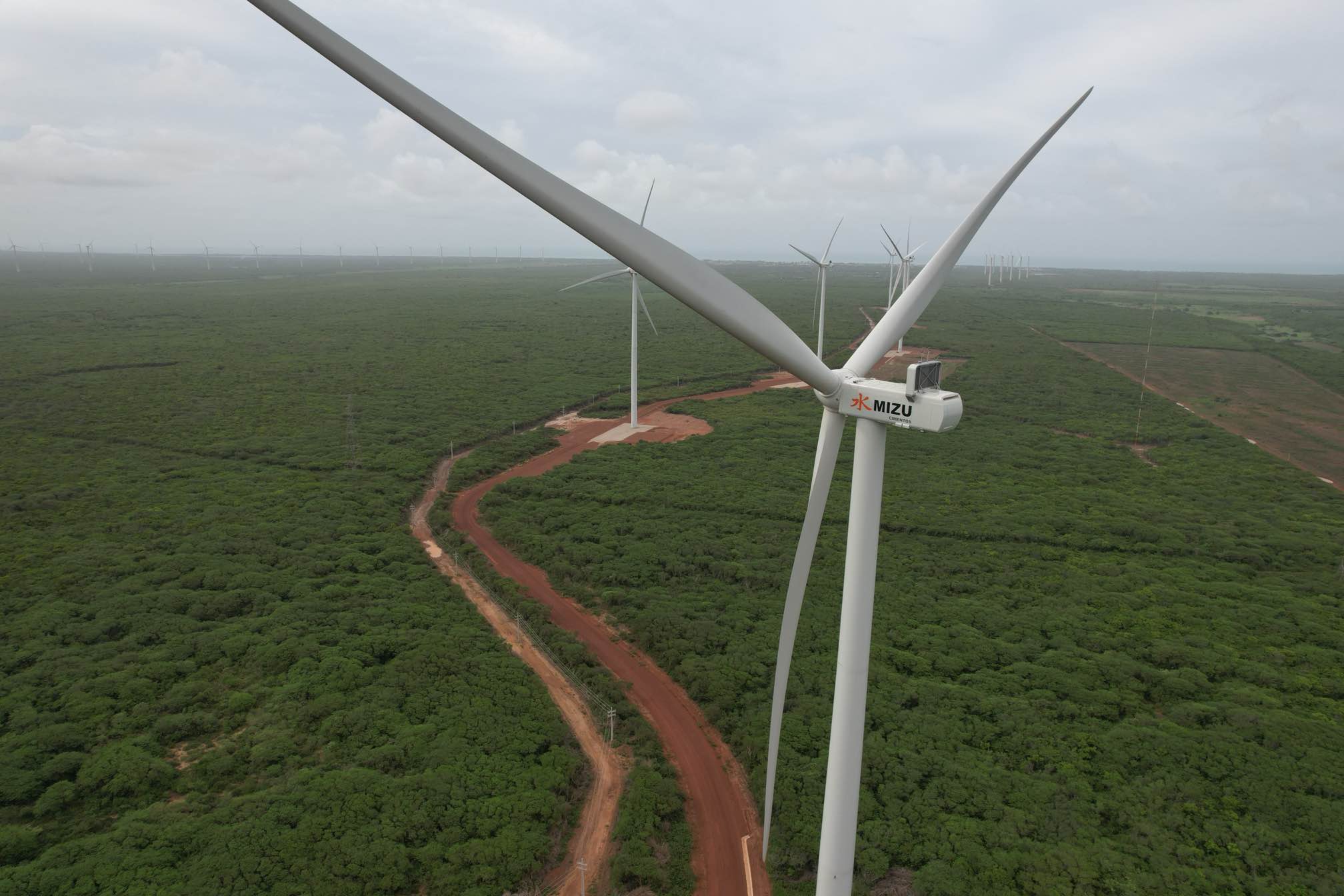
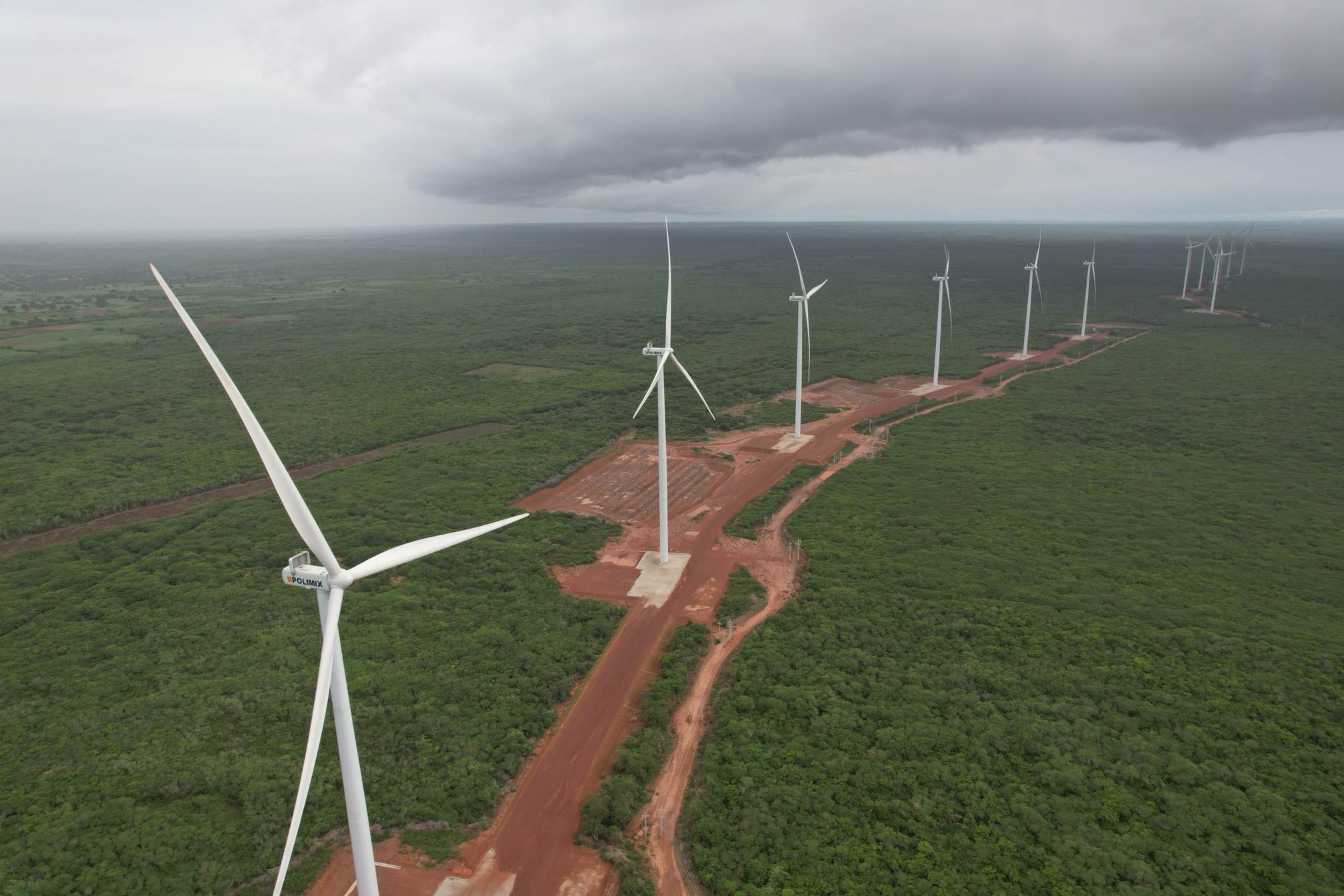
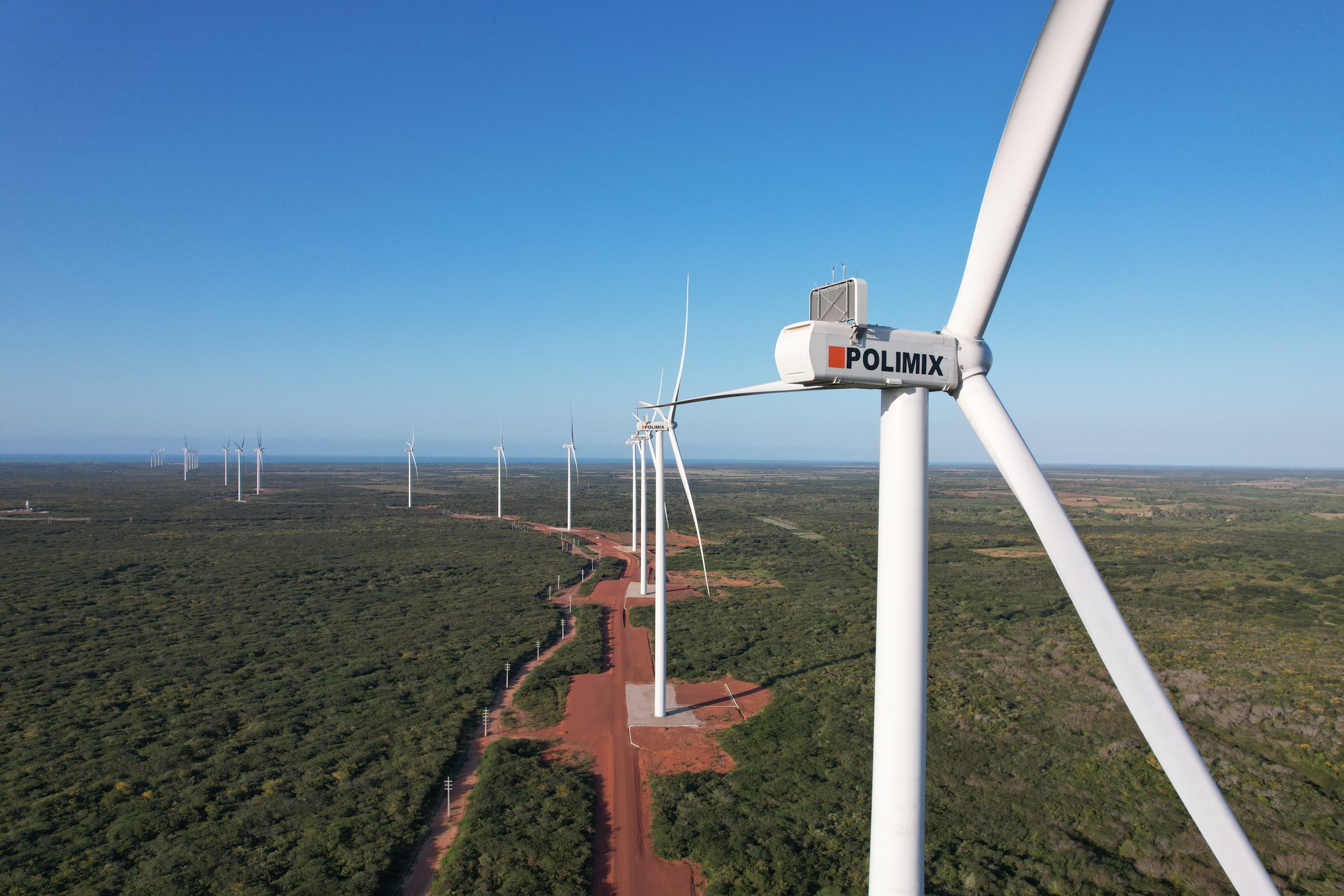
The implementation of the Mundo Novo Wind Farm resulted in significant positive environmental impacts, notably a reduction in CO₂ (carbon dioxide) emissions, one of the main greenhouse gases. Considering that wind generation replaces the average Brazilian electricity mix (with an emission factor of approximately 70 kg CO₂/MWh), it is estimated that 33,810 tonnes of CO₂ are avoided per year.
In addition, all licensing conditions were rigorously met through the execution of specific programs, including:
- Monitoring and rescue of wildlife;
- Solid waste and effluent management;
- Continuous monitoring of environmental noise;
- Environmental education;
- A reforestation project, with the planting of 24,000 seedlings of native species from the Caatinga biome.
Local Communities
The support and social communication program during the park’s implementation was effective and comprehensive, with several actions aimed at the well-being of neighboring communities, notably:
- Installation of a fruit pulp factory and an educational facility (with books and teaching materials) in the Antônio Conselheiro community;
- Implementation of a water desalination system to provide access to drinking water in the Ouro Branco community;
- Improvements to access infrastructure and drainage in the Umburana, Antônio Conselheiro and Baixa do Quinquim communities;
- Social actions such as:
- Children’s Day and Christmas celebrations;
- Donations of basic food baskets;
- Donations of full school uniforms for all students at Paulo Freire Municipal School, in the Antônio Conselheiro Settlement Project;
- Weekly collective safety dialogues for employees and open to the community, covering topics including:
- Occupational safety,
- Health and well-being,
- Environment,
- Citizenship.
Local Employment
The project’s implementation had a significant impact on generating direct and indirect employment, boosting the local economy, especially in the commerce and services sectors. During the construction phase, more than 400 workers were hired, including both direct employees and contractors. In the operation phase, the team is composed mostly of local labor, reinforcing the commitment to regional development.